


Avoiding botulism: Understanding the hidden danger in homemade preserves
The scientific name clostridium botulinum refers to an anaerobic bacterium – meaning it thrives without oxygen – that produces a powerful toxin called botulinum toxin. This toxin can cause botulism, a serious form of food poisoning. The bacterium grows particularly well in low-oxygen environments, such as homemade preserves like tomato sauces and vegetables stored in oil.
To eliminate health risks, it is essential to take appropriate precautions when preserving food at home – above all, by following standard hygiene rules. In this guide, you’ll learn more about the dangers of botulism and how to safely preserve your food.
How does clostridium botulinum develop during home preserving?
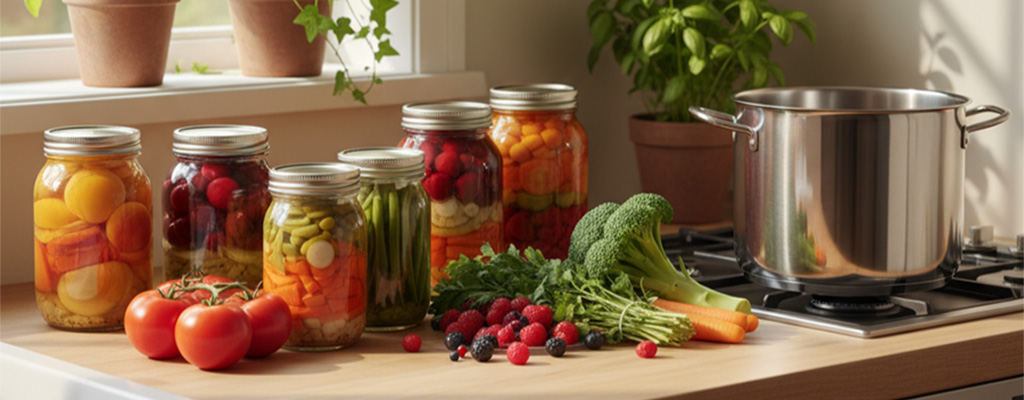
Botulinum toxin can contaminate preserves both during preparation and storage, for instance via spores present in the environment or on food that are not destroyed during the preservation process. These heat-resistant spores thrive in low-oxygen environments and can produce the highly toxic botulinum toxin.
What are the health risks of botulism?
Botulism is a serious foodborne illness that can lead to neurological symptoms such as double vision, difficulty swallowing, and breathing problems. In severe cases, botulism can be fatal. However, there’s no need to worry: if you follow proper procedures and maintain good hygiene when preserving and pickling foods, the risk of contamination with botulinum toxin is very low.
What is botulism? Key rules for safe preserving at home
To minimise the risk of botulism from contaminated foods, observe the following basic rules when preserving:
- Use reliable recipes: Always use recipes from trustworthy sources. Ensure adequate heat treatment and add vinegar or lemon juice to your foods to inhibit the production of botulinum toxin.
- Only use fresh ingredients: Preserve only fresh produce. Overripe fruit, bruised vegetables, or leftover fish and meat should not be used, as the risk of bacterial contamination is too high.
- Sterilise jars, bottles, and lids: Wash jars, bottles, and glass lids thoroughly with hot water and a mild detergent. Wash rubber seals, preserving clips, and twist-off lids by hand without detergent. Sterilise all tools and your work surface to ensure safe preserving.
- Fill jars correctly: Leave an appropriate amount of headspace between the contents and the lid to prevent overflow or breakage during heat treatment.
- Seal jars airtight: Clean the rims of jars and bottles thoroughly after filling. Seal them with suitable lids, but do not overtighten.
- Preserve at the correct temperature: Carefully follow instructions for heat treatment (pasteurisation or sterilisation) in your recipe to virtually eliminate the risk of botulism.
- Store filled jars properly: Keep your preserves in a cool, dark place to protect them from environmental influences and maximise shelf life.
Botulism: which foods are most at risk?
Botulinum toxin can only develop under certain environmental conditions. Therefore, some foods are more susceptible to colonisation by clostridium botulinum – especially raw vegetables, meat, and fish. With hygienic and careful processing, however, even these products can be safely preserved.
Botulism in vegetable preserves
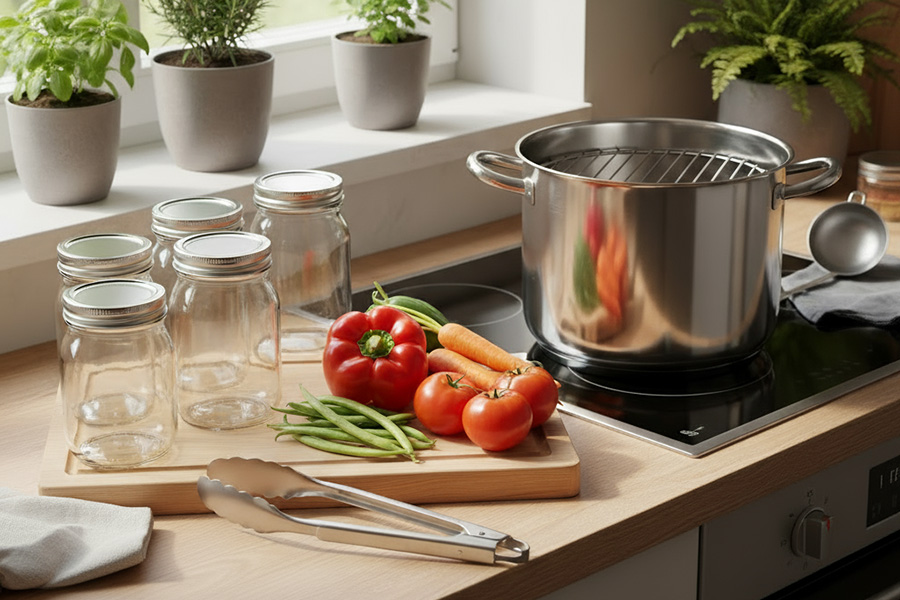
Homemade vegetable preserves can provide an ideal environment for clostridium botulinum. The bacterium naturally occurs on vegetables and may remain even after thorough washing. Other risk factors include incorrect ratios of water and vinegar (necessary for proper acidification) or a vinegar pH value that is too high.
Botulism spores can survive boiling at 100 °C. Therefore, it is important to carry out this step carefully to minimise the risk of contamination. It is recommended to reheat the preserve to 100 °C one or two days later. This further reduces the risk of botulism, so you can enjoy your preserved foods with peace of mind.
Tip: For olives and other products in brine, use 100 g of salt per litre of water.
Botulism in jams and fruit preserves
Jams and fruit preserves can also be contaminated with clostridium botulinum, as the bacterium can survive at relatively high temperatures and low acidity (pH > 4.5), which is typical for homemade fruit preserves.
Use equal parts fruit and sugar to stabilise jams and preserves. If you reduce the amount of sugar, add lemon juice to inhibit bacterial growth.
For pasteurisation, pour the freshly cooked jam into sterilised jars while still hot. Place the jars in a steriliser or large pot filled with hot water to avoid thermal shock. Heat-treat for at least 15 minutes at 90 °C to ensure your fruit preserves are safe and long-lasting.
Botulism: Recommendations from the Food Standards Agency
To reduce the risk of contamination and botulism, follow the guidelines from the Food Standards Agency. They provide a comprehensive overview of health risks and the correct preparation and preservation of foods.
Food Standards Agency tips for hygienic preserving and pickling
- Thorough sterilisation of tools and containers
- Use of tested recipes
- Correct heat treatment to stabilise preserves: Pasteurisation time varies depending on jar size and type of food. Generally, heating for 15–20 minutes is sufficient for jars containing 350 g to 400 g.
- Watch for signs of spoilage in preserved products: Discard homemade (and store-bought) preserves immediately if you notice any changes, to avoid any health risks from botulism.
Foods at higher risk of botulism
The most vulnerable products in home vacuum preservation are seafood, foods in brine, and fermented products. Herbs and vegetables in oil that are not properly chilled can also be contaminated with Clostridium botulinum. However, if you follow standard hygiene rules and use tested recipes, these foods can be safely preserved at home.
Pay special attention when preserving the following foods:
- Mushrooms
- Black olives in water
- Peppers
- Pickled aubergines and beans
- Meat and fish (especially tuna)
Note: Avoid preserving meat or fish at home. These products cannot be sufficiently acidified or treated with enough salt or sugar to fully inhibit botulinum toxin development. Truly safe heat treatment requires temperatures of 121 °C, which can only be achieved in industrial processes.
Safe Food Preservation: How to minimise the risk of botulism
Filling jars correctly
Before preserving, it is crucial to fill sterilised containers properly. Adequate headspace ensures the necessary vacuum in the jar. Depending on the type of preserve, choose a small headspace so the food is completely covered by liquid.
Pasteurising preserves – avoiding botulism
Pasteurisation is the most important heat treatment for making safe homemade preserves. The filled jars are fully submerged in boiling water for a set period, which varies depending on the type and size of the jars. Carry out this process with care to ensure effective pasteurisation and safe food.
Checking pasteurised jars
After pasteurisation, check the jars carefully: Are they sealed? Is there a vacuum? Twist-off lids should be slightly concave and not move when pressed. If a jar is not sealed or leaking, it must be heat-treated again. Alternatively, store the food in the fridge and consume it quickly.
Avoiding botulism: Food safety for homemade preserves
By following these guidelines, you can enjoy homemade vegetables, fruit, and more with confidence, avoiding botulism and protecting your health while making the most of your harvest in your own kitchen.
Further information on botulism
Food Standards Agency: Guidelines for safe preparation and preservation of foods at home
National Health Service (NHS): Information on botulism and its symptoms
Frequently asked questions about botulism and home preserving
Before consuming homemade preserves, it’s important to check both the integrity of the product and its container. Warning signs such as a swollen lid, unpleasant odour, or suspicious cloudiness in the liquid may indicate possible contamination with botulism-causing bacteria. In such cases, the preserve should be discarded immediately.
Once opened, jars should be kept in the refrigerator and the contents consumed within a few days. An airtight container is a good alternative to the original jar for storing leftovers in the fridge. This helps prevent the product from spoiling quickly and reduces the risk of serious foodborne illnesses such as botulism.
Pasteurised preserves can be stored in the cupboard for several months. However, it is advisable to use them within a year. Always label each jar after preserving, noting the type of food and the date it was made. For particularly sensitive products like fish and meat, you may wish to add a use-by date as well.
If you have any doubts about the safety of your preserved foods, it’s best to dispose of the affected jars immediately. With botulism, extra caution is needed. Wear gloves when handling the container, wrap it securely in a plastic bag, seal it with tape, and dispose of it in your household rubbish.
Note: Do not empty contaminated preserves into the sink, toilet, compost, or organic waste bin. Clean all surfaces that may have come into contact with potentially contaminated food with a suitable disinfectant for safety.
Botulism, caused by botulinum toxin, can develop within a few hours or up to 10 days after consuming food contaminated with Clostridium botulinum. Symptoms of the illness may include:
- double or blurred vision
- drooping eyelids
- slurred speech
- difficulty swallowing
- dry mouth
- increasing muscle weakness
If you experience any of these symptoms of botulism, seek medical attention at a hospital immediately.
Preserving accessories in the World of bottles online shop

Available immediately. Ready for dispatch in: 1-2 days


Available immediately. Ready for dispatch in: 1-2 days

Available immediately. Ready for dispatch in: 1-2 days

Available immediately. Ready for dispatch in: 1-2 days

Available immediately. Ready for dispatch in: 1-2 days

Available immediately. Ready for dispatch in: 1-2 days